When Google Ads shows a disapproved destination warning, it means Google has detected issues with the landing page URL entered into the system. This could be caused by a manual error when entering the URL or by recent changes to the website, such as a migration or upgrade.
To address the destination-not-working issue in Google Ads, you need to perform a series of checks to detect the problem and fix it.

Sometimes the fixes are simple, such as an invalid URL entered into the system or accidentally removing the destination page. In other cases, it can be a bit more technical, involving redirects, firewall issues, and similar concerns.
Importantly, even when you think everything is fine with the landing page, Google Ads may still flag the destination. In such cases, it requires more investigation.
In this guide, you will learn different steps to fix Google Ads disapproved destinations due to the destination not working.
Let’s get started.
Table of contents:
- Verify if the landing page is working
- Verify the page status/response code is 200 OK
- Redirects leading to ad disapproval
- Server timeout issue
- URL dynamic parameter handling issue
- Hosting, firewall, and CDN blocking Bot IPs
- Why does Google Ads show disapprovals for working URLs?
- Google Ads disapproved – destination troubleshooting checklist
- Get expert help
- FAQs
Verify if the landing page is working
Start with a simple check by opening the landing page in your browser to see if it loads normally.

Here are a few different ways to verify that your page is loading correctly:
- Check in your regular browser.
- Check in incognito or private mode.
- Try loading the page on your mobile phone.
- Use a different browser (Chrome, Firefox, Safari, Brave, etc.).
- Test on different networks (Wi-Fi, mobile data).
- Ask a friend to check from a different location.
If you find that the page is not loading, fix the issue yourself or get help from your developer or technical team, then resubmit the ad to Google for reconsideration.

If the page appears to work fine, but Google still flags it, continue with the additional tests listed below.
Verify the page status/response code is 200 OK
When we check a page in the browser, we focus on whether it visually loads correctly. However, bots and systems like Google Ads first check the server’s response code. The correct and expected response is 200 OK, which indicates that the page is functioning normally.

You can use redirect or HTTP status checkers to verify this. Enter your landing page URL into one of the tools below:
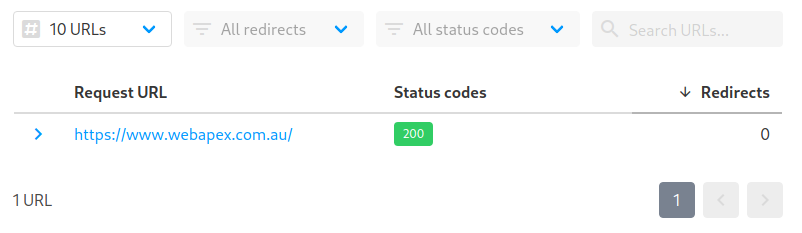
If the response code is not 200 OK, further investigation is needed to identify and fix the issue.
Redirects leading to ad disapproval
Poorly managed redirects may cause Google Ads to flag your destination as not working. It’s important to review how your landing page handles redirects to ensure users (and Google’s crawlers) can reach the final destination easily.
Check for redirect chains
A redirect chain occurs when a URL passes through multiple redirects before reaching the final page.
- Example: A -> B -> C
Make the redirection simple:
- A -> C
- B -> C

Check for redirect loops
A redirect loop happens when URLs circle back to the starting point, creating an endless loop.
- Example: A -> B -> C -> A
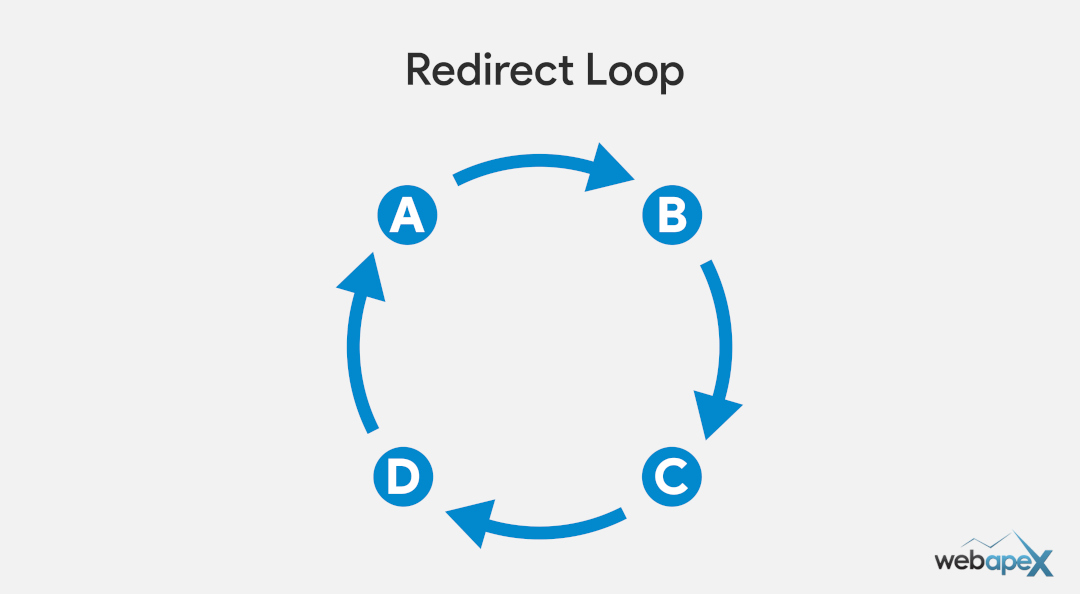
This prevents the page from loading and will result in ad disapproval.
Server timeout issue
If your server is too slow and not returning the correct response, then it can lead to ads disapproval.
If your server is too slow or fails to return a proper response within the expected time, Google Ads may flag your destination as not working. This happens because Google’s crawler cannot load the page successfully, even if it eventually works for regular users.
To fix this, check your website’s server performance, hosting capacity, and uptime. Optimising server speed or using a reliable hosting provider can help prevent timeout issues and ad disapprovals.
URL dynamic parameter handling issue
Make sure your website can correctly handle dynamic URL parameters. Google Ads often appends tracking parameters such as gclid (Google Click Identifier) or UTM tags to your landing page URLs.
If your site doesn’t process these parameters properly, it may result in a broken or missing page, leading to ad disapproval.
- Example: example.com/category/?sort=price-low-high&gclid=xyz
To fix this, test your landing page with tracking parameters added to the URL and confirm it loads normally. If it doesn’t, ask your developer to adjust how the website handles query strings so that all variations of the URL point to a valid destination.
Hosting, firewall, and CDN blocking Bot IPs
You may have situations when the hosting provider, firewall, or CDN (Content Delivery Network) may accidentally block Google’s crawler or ad verification bots. When this happens, Google can’t access your landing page, though it might be working just fine for your users.
This is a classic case of ad disapproval due to the destination not working when you feel everything is working fine.

To fix this, check your firewall and CDN security settings to ensure Google’s bot location/IPs aren’t being blocked. You would typically need the help of your dev team to get this checked and fixed.
Case study:
One of our clients had ads disapproved for “destination not working,” even though the website was functioning correctly in Australia.
Upon investigation, we discovered that the development team had blocked several countries in Cloudflare CDN due to an unsolicited traffic spike.
After clearing Google’s crawler locations in Cloudflare settings, the issue was resolved, and the ads were approved again.
Check website availability in other countries
You can use a VPN to test your website from different countries, such as the US, UK, or Singapore and see if your page loads correctly.
Another option is to use third-party tools like https://geopeeker.com/, which lets you preview how your site appears from various global locations.
You can also sign up for the free version of Ahrefs to check if their bots can access your website, since they run servers from multiple regions.
By using these tools, you can confirm whether your site is accessible from key global locations where major crawlers and ad verification bots operate.
Why does Google Ads show disapprovals for working URLs?
If your URLs appear to be working correctly but your ads are still getting disapproved, it’s important to run through the full checklist of potential issues.
Pay close attention to factors such as the server response code, dynamic URL parameter handling, and any possible firewall or CDN blocking problems.
It’s highly recommended to perform a complete test following the checklist provided below to ensure nothing is being overlooked.
Google Ads disapproved – destination troubleshooting checklist
| Step | What to Check | Pass | Fail |
|---|---|---|---|
| Landing page working | Page loads correctly on browser, incognito, mobile, and different networks. | ☐ | ☐ |
| Status code 200 OK | Response verified using redirect checker or HTTP status tool. | ☐ | ☐ |
| Redirects | No redirect chains or loops. Direct path confirmed. | ☐ | ☐ |
| Server timeout | Server responds quickly without delay or timeout. | ☐ | ☐ |
| Dynamic URL handling | URLs handle gclid or tracking parameters correctly. |
☐ | ☐ |
| Bot blocking | Google bots not blocked by hosting, firewall, or CDN. | ☐ | ☐ |
| Global access | Site accessible from other countries/regions. | ☐ | ☐ |
Get expert help to manage ad disapproval
If you’re unsure what to do next or don’t want to risk repeated disapprovals, it’s best to get help from a specialist.
Book a call with our Google Ads expert to diagnose the issue and fix your ad disapprovals using proven best practices.

We have done this for many clients to implement best practices to fix the destination issue.
FAQs
What does “Google Ads disapproved - destination not working” mean?
This message means Google couldn’t properly access your landing page URL. It could be due to an incorrect URL, server error, redirects, firewall/CDN blocking, or your site being unavailable in some locations.
How do I fix Google Ads disapproved due to destination not working?
Start with a structured checklist: confirm the page loads in multiple browsers/devices, verify the HTTP status is 200 OK, check redirects, test server speed/uptime, ensure bots are not blocked by hosting/firewall/CDN, confirm global access (VPN/GeoPeeker), and test URLs with tracking parameters like gclid.
My page loads fine for me. Why is Google still disapproving my ads?
Google checks your landing page using its own crawlers and systems, not just a normal browser like you do. Even if the page looks fine to you, issues like non‑200 response codes, slow servers, redirect chains, geo‑blocking, or blocked bots can still trigger a “destination not working” disapproval.
How can I check if my landing page works for Google’s bot?
You can test your page using HTTP status/redirect checkers and geo‑testing tools, and review your firewall/CDN/robots rules to make sure Ads-related bots aren’t blocked. If needed, ask your developer or hosting provider to confirm that Google’s crawlers can access the URL.
Can redirects cause “destination not working” in Google Ads?
Yes. Long redirect chains and redirect loops can stop Google from reaching the final page. Keep redirects minimal (for example, A -> C instead of A -> B -> C) and fix any loops that send users or bots back to the original URL.
Do dynamic URL parameters like gclid affect ad approval?
They can. If your website breaks when query parameters are added (for example, gclid or UTM tags), Google may see the destination as not working. Always test your landing page with real tracking parameters to make sure it still loads correctly.
Can hosting, firewall, or CDN settings cause destination errors?
Yes. Security rules or country blocks in your hosting, firewall, or CDN (for example, Cloudflare) can unintentionally block Google’s crawlers or some locations. Once those IPs or regions are unblocked and the page is reachable everywhere you target, your ads can usually be reviewed and approved.
What should I do if everything looks fine but my ads are still disapproved?
If you’ve gone through the full checklist and can’t see any obvious issues, try: enabling auto‑tagging in Google Ads, making a small edit and resubmitting the ad, or creating a fresh ad pointing to the same fixed URL. If the problem persists, it’s worth getting help from an experienced Google Ads specialist and your developer together.
How long does it take for Google to approve my ads after fixing the destination?
Once you fix the issue and resubmit or edit the ad, reviews usually take from a few hours up to one business day, though it can sometimes take longer during busy periods.
How can I avoid “destination not working” disapprovals?
Keep your hosting stable, monitor uptime, avoid risky redirect setups, test all key landing pages after website changes or migrations, and regularly audit URLs, tracking parameters, and security rules. Building a simple internal checklist (like the one on this page) and following it for every new campaign helps prevent repeat disapprovals.

